Mold Detection in Dallas, TX
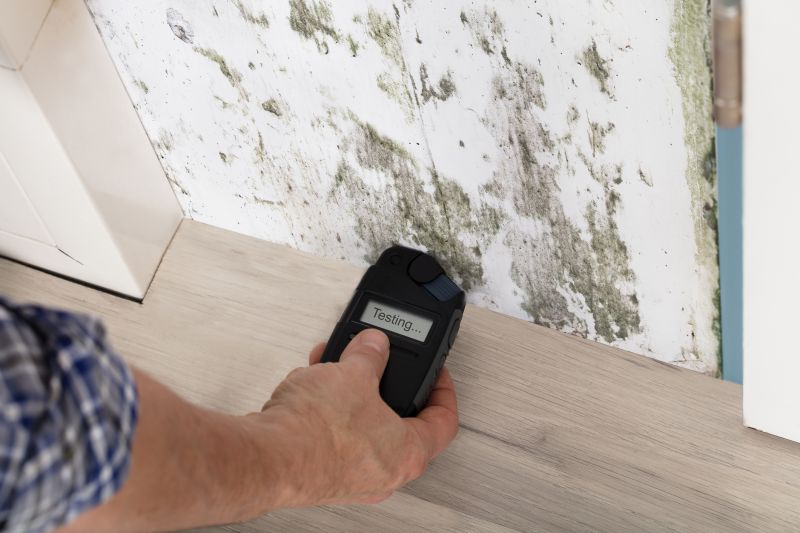
Mold detection services involve assessing residential properties to identify the presence of mold growth, often caused by excess moisture or water intrusion. These services typically cover various projects such as routine inspections, post-water damage assessments, or investigations into musty odors. Property owners usually want to understand whether mold is present, the extent of any growth, and if it poses health concerns, especially in areas like basements, bathrooms, or attics where moisture buildup is common.
Before requesting mold detection, homeowners often seek clarity on the scope of the inspection, what areas will be examined, and what types of mold can be detected. Understanding the process can help property owners determine if a visual assessment, air sampling, or surface testing is appropriate for their situation. Clear information about the findings can assist in making informed decisions about necessary remediation or further steps to ensure a healthy living environment.
Many property owners in Dallas, TX look into Mold Detection for repairs, replacements, upgrades, and appearance-related improvements.
Mold Detection Services
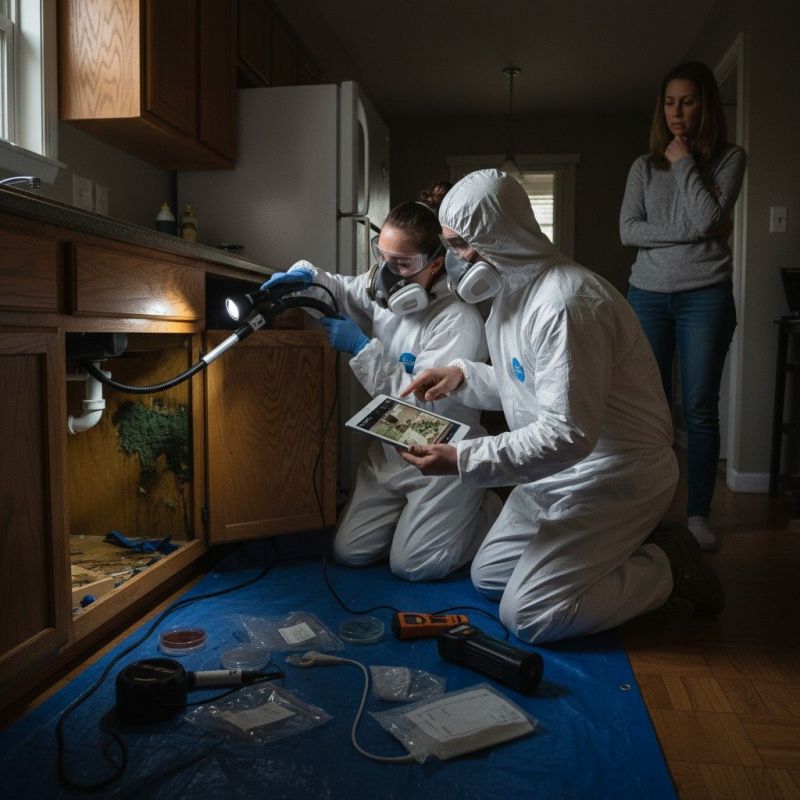
Examples of mold detection work property owners may explore in dallas, tx.
Mold Detection Updates
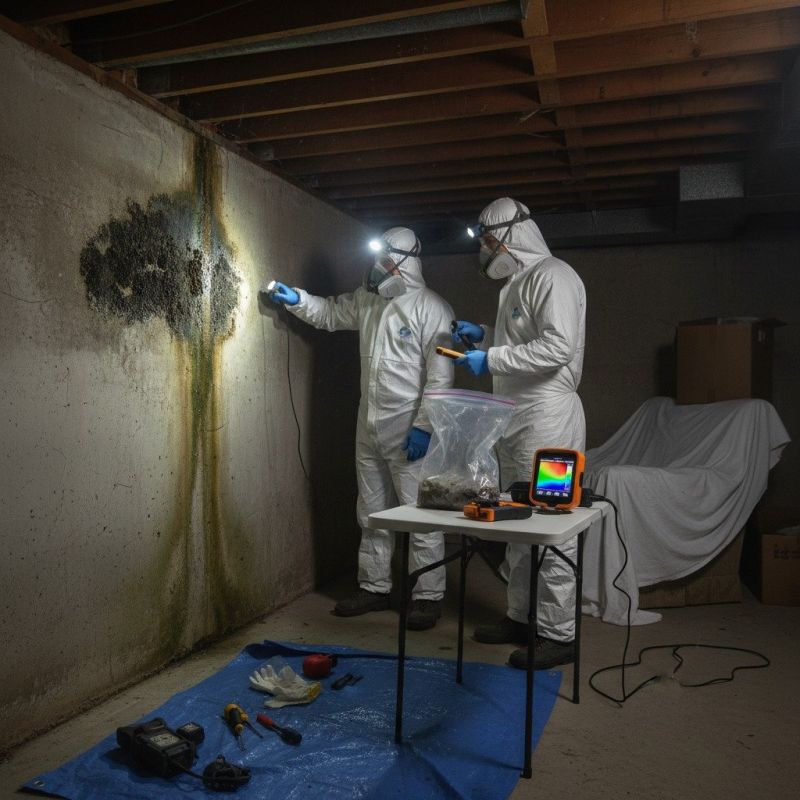
Common ways people refresh, improve, or restore mold detection features in dallas, tx.
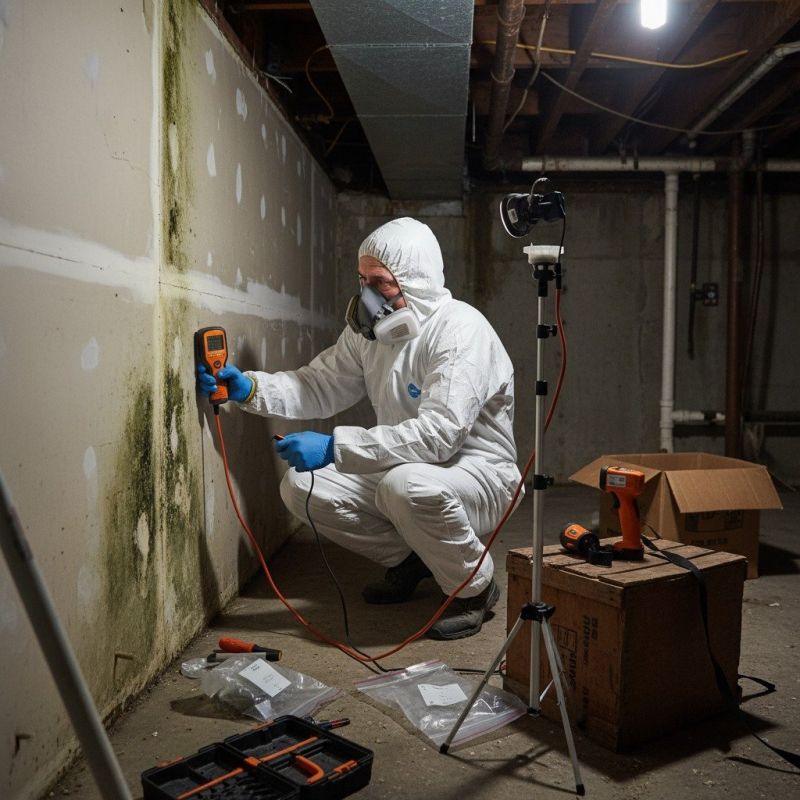
Mold Detection Options
Different styles, layouts, and finishes people consider for mold detection in dallas, tx.
Mold Detection in Dallas, TX
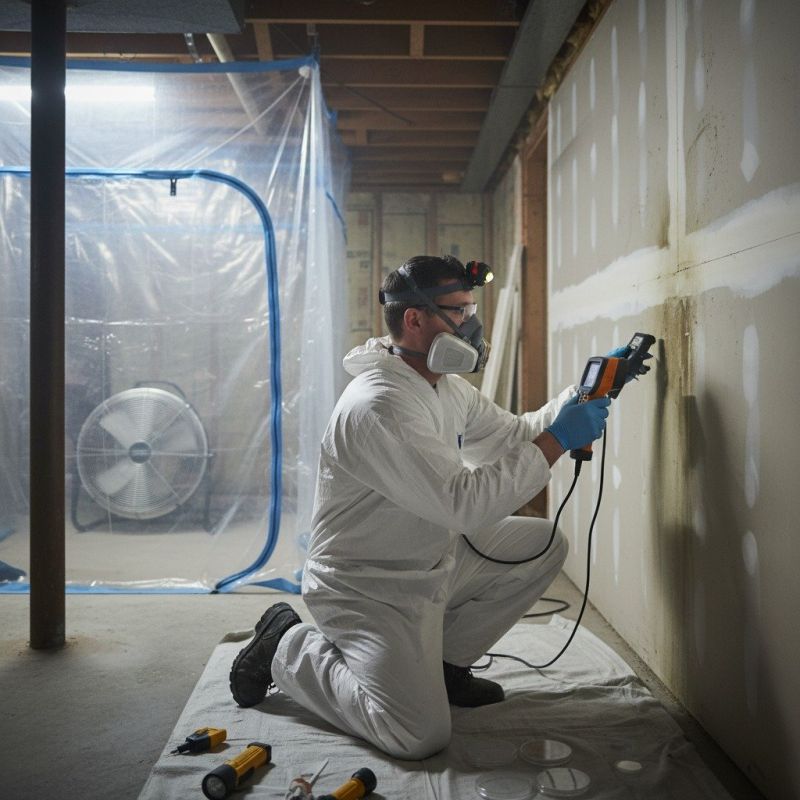
Mold detection services involve assessing residential properties to identify the presence of mold growth, often caused by excess moisture or water intrusion. These services typically cover various projects such as routine inspections, post-water damage assessments, or investigations into musty odors. Property owners usually want to understand whether mold is present, the extent of any growth, and if it poses health concerns, especially in areas like basements, bathrooms, or attics where moisture buildup is common.
Before requesting mold detection, homeowners often seek clarity on the scope of the inspection, what areas will be examined, and what types of mold can be detected. Understanding the process can help property owners determine if a visual assessment, air sampling, or surface testing is appropriate for their situation. Clear information about the findings can assist in making informed decisions about necessary remediation or further steps to ensure a healthy living environment.
Many property owners in Dallas, TX look into Mold Detection for repairs, replacements, upgrades, and appearance-related improvements.
Common Mold Detection Jobs
Mold Inspection - thorough assessments identify mold presence and moisture sources in residential properties.
Moisture Mapping - detailed analysis pinpoints areas with excess humidity that could promote mold growth.
Indoor Air Quality Testing - air samples detect mold spores and assess air safety inside homes.
Hidden Mold Detection - specialized techniques locate mold in concealed spaces like walls and ceilings.
Post-Remediation Verification - inspections confirm mold removal efforts are complete and effective.
Water Damage Assessment - evaluations determine if past leaks or flooding have led to mold issues.

Mold Detection Questions
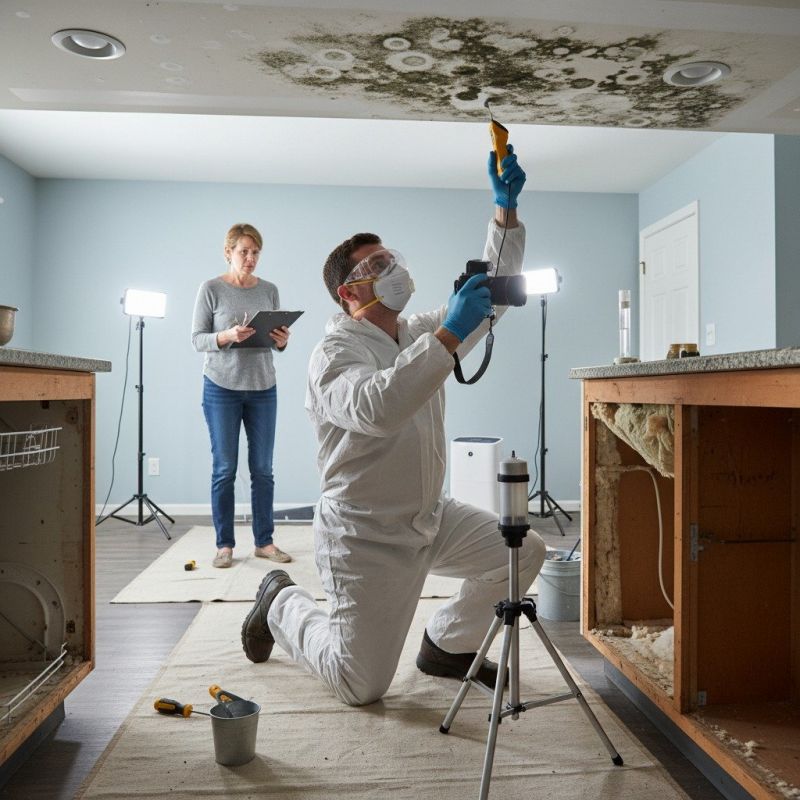
What are signs of mold in a home? Common signs include a musty odor, visible black or green patches, and increased allergy symptoms indoors.
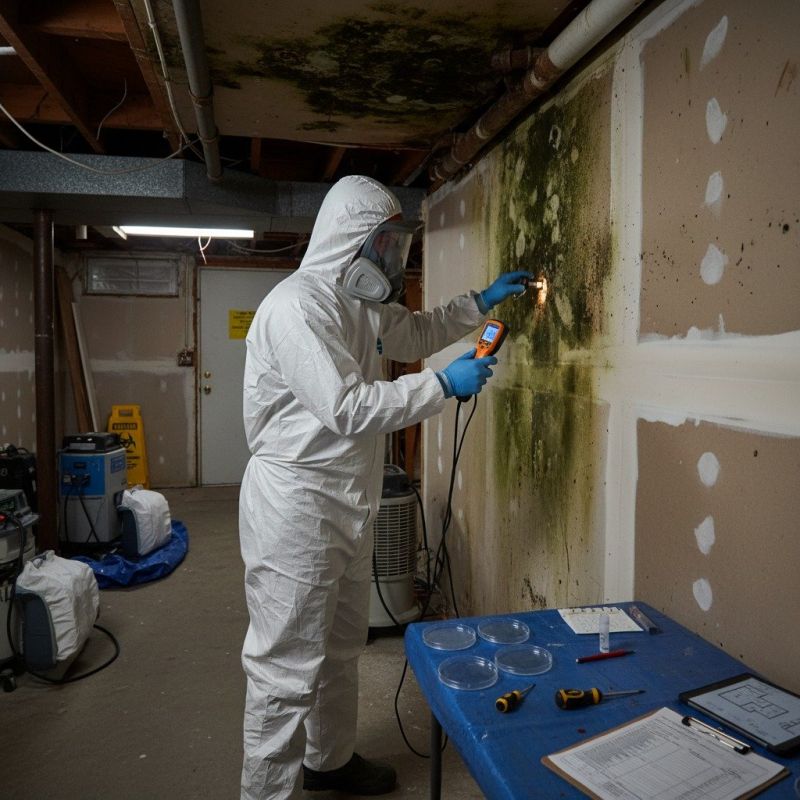
How does mold detection work? It involves inspecting areas prone to moisture and using specialized tools to identify hidden mold growth.
Why is mold detection important? Detecting mold early helps prevent structural damage and health issues associated with mold exposure.
Where are common places mold can grow? Mold often develops in bathrooms, basements, around leaks, and behind walls where moisture is present.
Request Mold Detection in Dallas, TX
Use the quote form on this page to share the basics of your project and request more information for the type of work you need.